
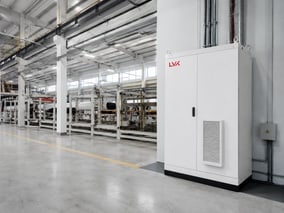
Core Advantages
PV Integration
Direct DC or AC coupled with PV inverters for maximum yield.
Smart EMS
Predictive algorithms shift solar energy to peak-price hours.
Higher Self-Consumption
Store excess solar during the day for use during evening peaks.
Grid Friendly
Stabilize frequency and voltage for the local grid.
System Architecture
How It Works
Solar PV charges the BESS during peak generation hours. The stored energy is then dispatched to loads during evening peaks or sold back to the grid at favorable tariffs.
-
PV Generation
Solar arrays produce energy during daylight hours.
-
Battery Storage
Excess solar is stored in the LVK Energy Storage Cabinet.
-
Self-Consumption
Stored energy is used by local loads to reduce grid imports.
-
Export & Save
Surplus energy can be exported to the grid during peak hours.
Value Delivered
- 20-40% Reduce grid electricity purchases.
- 85%+ Solar self-consumption ratio.
- 20yr Long-life LFP cells.
- CO₂ Reduce carbon footprint with solar self-consumption.
Project Cases
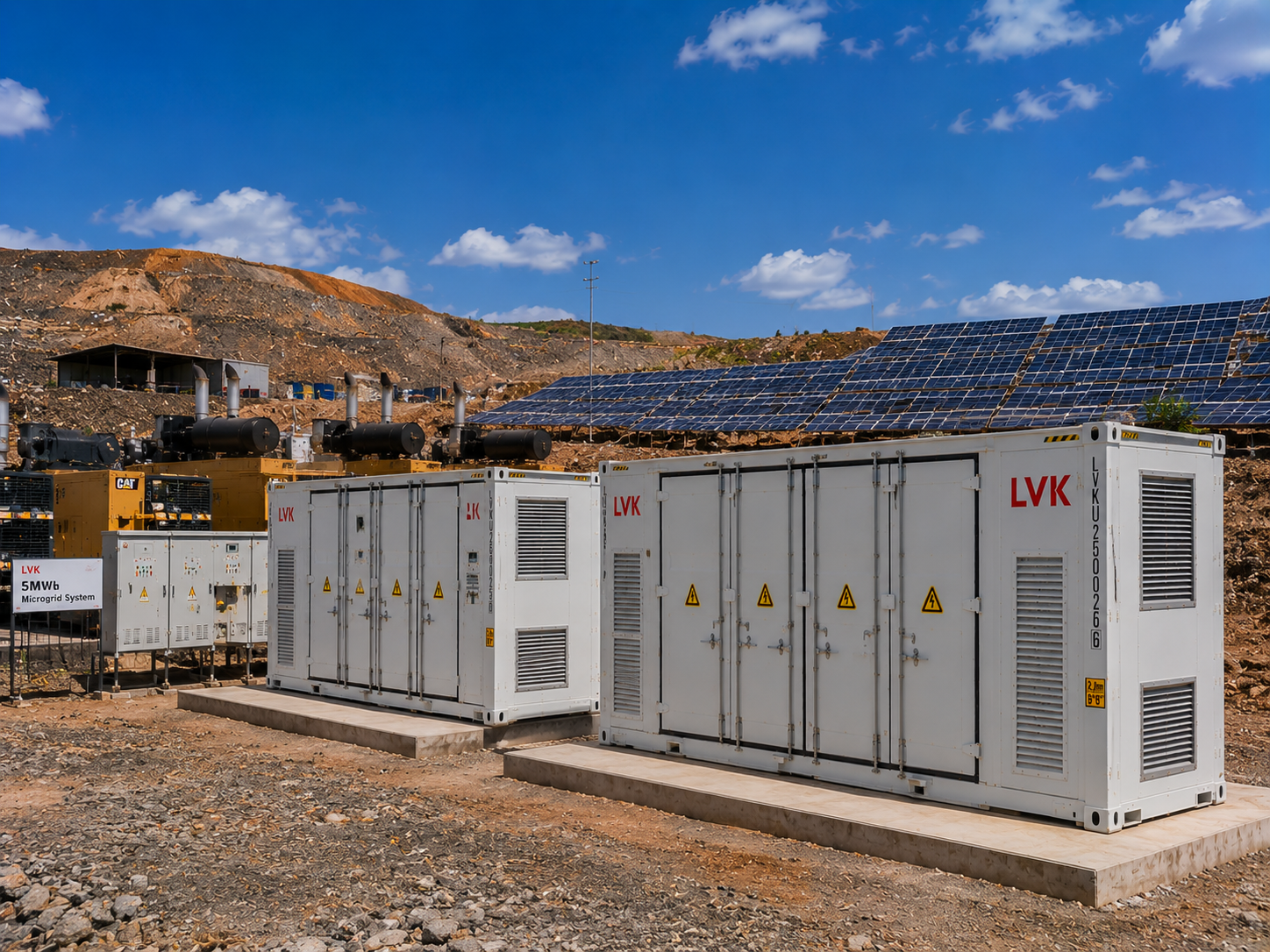
5MWh Solar-Storage-Diesel Hybrid Microgrid Project at a Large Gold Mine in Nigeria
Northern Nigeria (remote mountainous area)
Capacity: 5 MWh
Result: Successfully reduces annual diesel procurement costs for the gold mine by over 45%.
View Details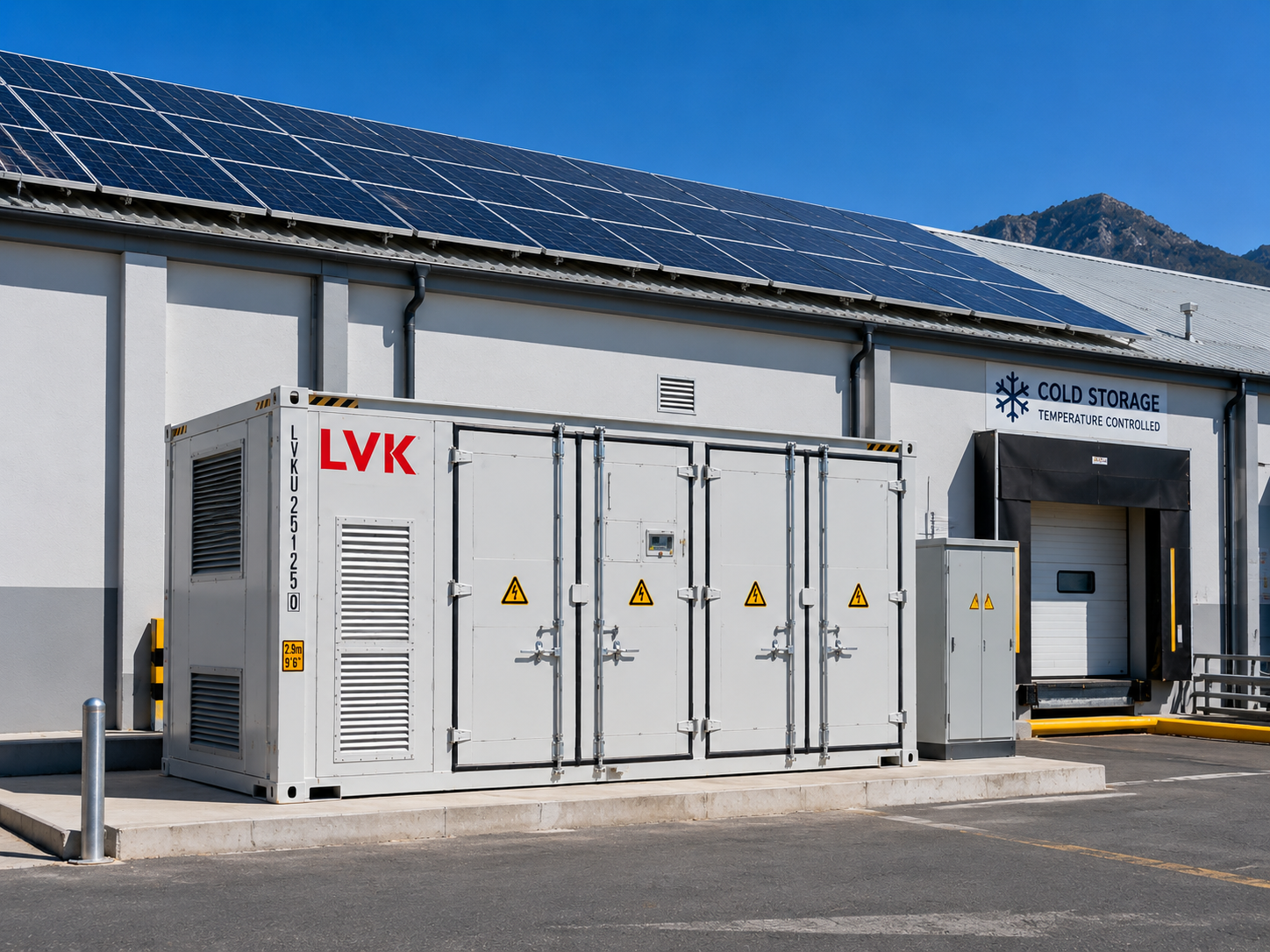
1044kWh Solar-plus-Storage Project for a Large Cold Chain Warehouse in Cape Town, South Africa
Cape Town, South Africa (suburbs)
Capacity: 1044 kWh
Result: Reduced the cold chain center's base electricity costs by 52%.
View Details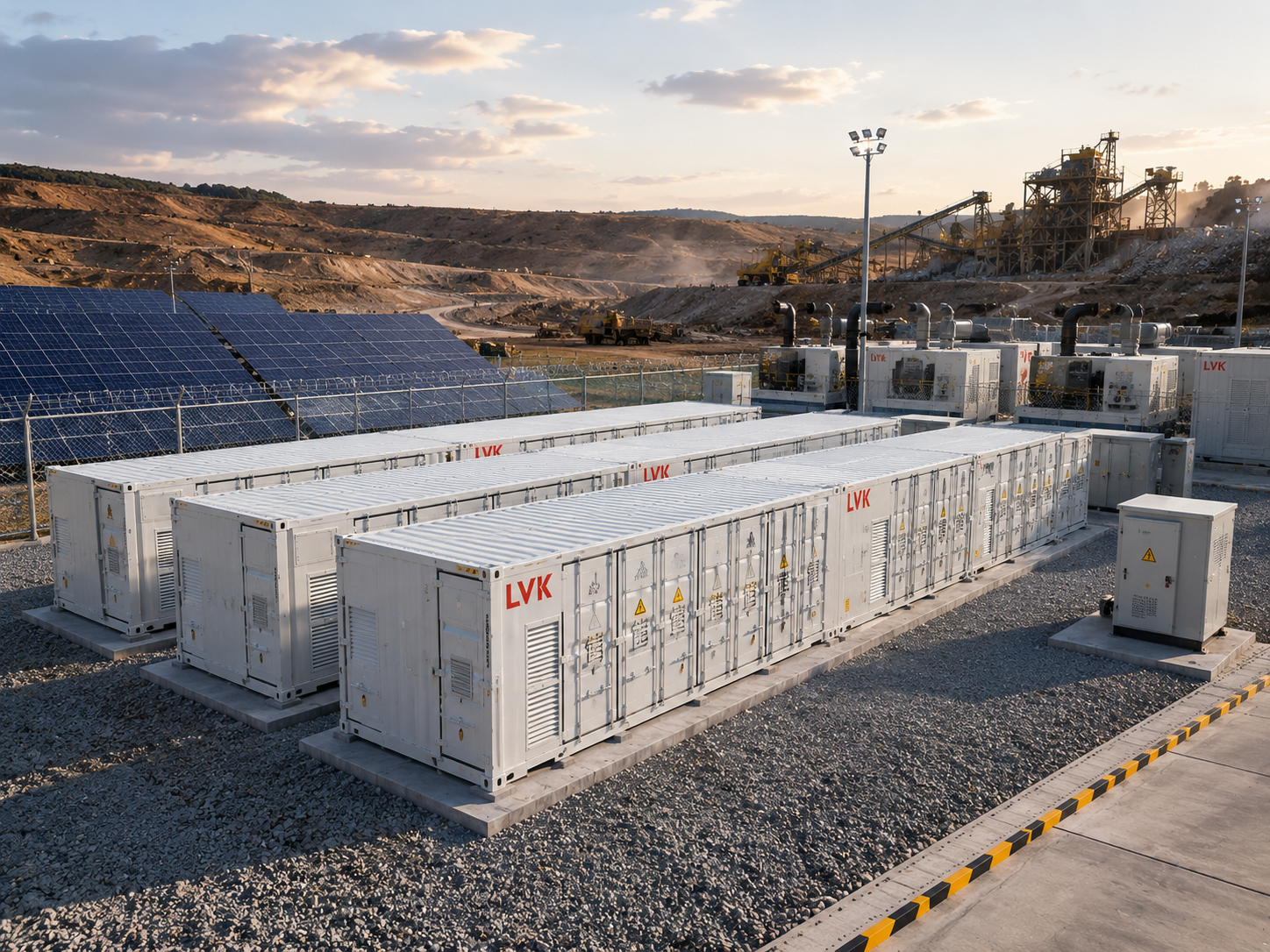
5MWh C&I Solar-Storage-Diesel Microgrid Project at a Copper-Cobalt Mine, Democratic Republic of the Congo
Southern DRC (copper-cobalt mining belt, inland)
Capacity: 5 MWh
Result: Successfully reduced the mine's annual diesel consumption by 48%, resulting in significant savings on procurement costs.
View Details